India’s Need for an Indigenous Tank Engine: A Path to Self-Reliance

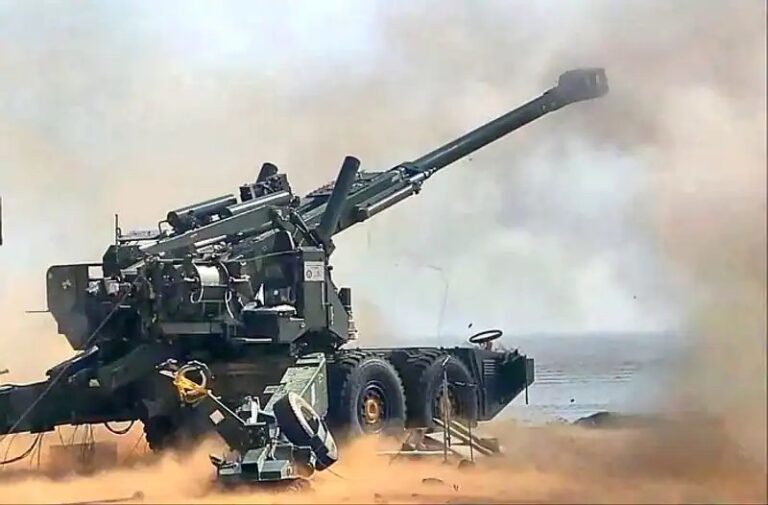
South Korea’s development of a 1,000-horsepower tank engine marks a significant achievement, highlighting the strategic importance of indigenous engine manufacturing. Countries like Germany, the U.S., Russia, and China dominate this sector, but India has the potential to develop its own. With strong capabilities in automotive engine manufacturing from companies like Tata Motors, Mahindra, and Ashok Leyland, India can scale up to produce a tank engine. To achieve this, the government must incentivize private sector participation through assured procurement, financial support, and collaboration with defense organizations. Indigenous engine development will enhance self-reliance, cost efficiency, and defense readiness for India.

YEAR OF REFORMS: MANAGING COMPLEXITIES OF SELF RELIANCE

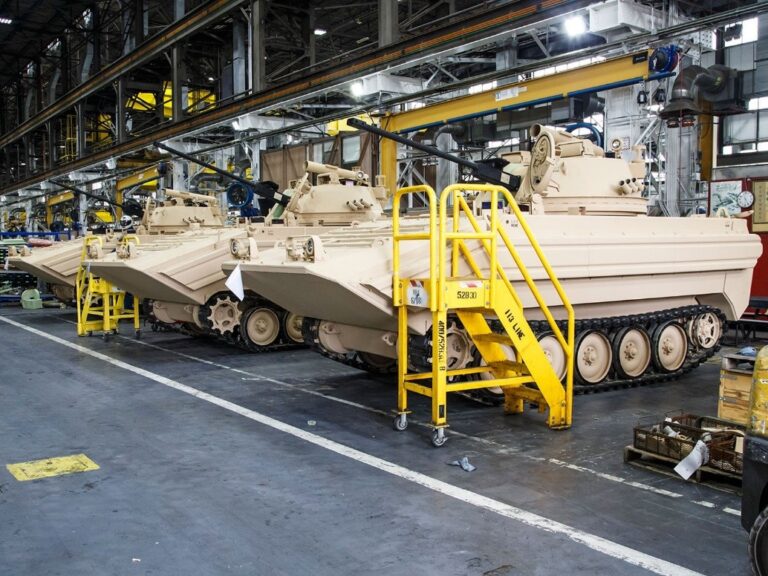
India has declared 2025 as the Year of Defence Reforms, focusing on integrated theatre commands, self-reliance (SR), and acquisition reforms. Decades of reliance on foreign defence equipment have led to operational challenges, highlighting the need for a robust Defence Industrial Base (DIB). Challenges to SR include technological complexity, economic constraints, and bureaucratic hurdles. A reset in military-industry-DRDO collaboration is crucial for indigenization. Reforms should focus on indigenous capability building, defence industrial strategy, and long-term investments. A shift from assembly-based manufacturing to true self-reliance is necessary for sustained military effectiveness, operational independence, and strategic resilience against emerging threats.

DeepSeek R1: The AI Disruptor Reshaping Global Tech and Market Dynamics

The launch of DeepSeek's AI model, R1, on January 20, 2025, has disrupted the U.S. tech industry due to its high performance and low production costs. Developed in China using open-source models and cost-efficient hardware, R1 was trained for just $5.6 million, far less than U.S. counterparts. Its impact caused major market losses, including a $600 billion drop in Nvidia’s valuation. This shift is compared to the 2000 dot-com bubble, highlighting AI’s rapid evolution. As competition intensifies, nations must streamline innovation to stay ahead, emphasizing efficiency, agility, and technological leadership in the evolving AI landscape.

SELF RELIANCE: A PEEK UNDER THE HOOD

The article critically examines India's Make in India initiative in the defense sector, highlighting the need for genuine self-reliance (SR) through indigenous technological and industrial capability development. It emphasizes shifting from dependency on imported systems to fostering local manufacturing of foundational systems like engines, powerpacks, and electronics. Drawing lessons from ISRO's technology tree approach, the article advocates for strategic planning, deeper localization, and incremental upgrades of existing platforms over de novo developments. It calls for a pragmatic defense industrial strategy, prioritizing technology insertion, local supply chains, and leveraging collaborations for long-term operational readiness and strategic autonomy.

Building a Dynamic Defense Innovation Ecosystem: A Strategic Imperative for National Security

In today's rapidly changing global landscape, nations must establish agile, effective defense innovation ecosystems. Failing to keep pace with defense technology innovation can leave countries vulnerable to security threats from more advanced adversaries. Below, we explore the essential components that define a successful defense innovation ecosystem, one that can foster new solutions, drive collaboration, and remain adaptable in the face of evolving challenges.

Defense Equipment Maintenance: A Service-Specific Approach

Defense maintenance is vital for operational readiness, tailored by each branch—the Army, Navy, and Air Force—to suit their unique operational environments. Core strategies include preventive, predictive, and corrective maintenance, supported by reliability-centered methods and computerized systems. The Army prioritizes mobility with field-ready repairs; the Navy focuses on corrosion control for extended sea deployments; and the Air Force emphasizes precision for safety-critical aviation. Challenges like corrosion, cybersecurity, and incomplete documentation are common, requiring skilled personnel and ongoing training. By addressing these needs, military maintenance maximizes equipment reliability and mission effectiveness across diverse conditions.

Expanding India’s MRO Capabilities: Enhancing Human Capital for Global Leadership

India's MRO sector has immense potential to strengthen its Comprehensive National Power (CNP) by leveraging its skilled human capital. With Indian professionals excelling globally, India is well-positioned to develop world-class MRO capabilities for both military and civilian sectors. Key steps include enhancing military maintenance training, utilizing veterans, creating structured training for new entrants, and establishing a digital database for skilled personnel. By establishing international MRO hubs and exporting MRO expertise, India could replicate its IT success in this sector, boosting economic and strategic influence and positioning India as a global leader in MRO services.

C-295 MILITARY TRANSPORT AIRCRAFT: IMPACT ON INDIA’S DEFENCE AND AEROSPACE COMPLEX

The new Tata Aircraft Complex in Vadodara marks India's first private Final Assembly Line (FAL) for military aircraft, managed by Tata Advanced Systems Ltd (TASL) in collaboration with Airbus Defence. This facility will assemble, test, and maintain C-295 aircraft to replace India's ageing AVRO fleet, with 16 units from Spain and 40 assembled in India by 2031. With advanced features like short take-off capability and indigenous electronic warfare systems, the C-295 suits varied tactical missions. This project represents a transformative step for India’s aerospace manufacturing and could lead to further defense collaborations, enhancing India’s private sector MRO capabilities.

Effective Process Monitoring for MRO Operations: A Guide to Software Solutions

Efficient process monitoring is critical in MRO operations to maintain quality, compliance, and cost-effectiveness. Various software solutions, such as CMMS for work orders, EAM for asset lifecycle management, and IoT platforms for real-time monitoring, can streamline MRO activities. While large vendors can invest in comprehensive systems, smaller MROs can leverage affordable or open-source options to handle core functions. Integrating these solutions through cloud-based platforms offers flexibility and scalability, and consulting with experts can ensure that small vendors implement the right tools to meet specific operational needs, enabling them to deliver high-quality services competitively.