
Lt Gen (Dr) NB Singh (Retd)

Lt Gen (Dr) NB Singh (Retd)

Lt Gen (Dr) N B Singh, PVSM, AVSM, VSM served as Director General of the Corps of Electronics and Mechanical Engineers, Director General Information Systems and was a founding member of the Armed Forces Tribunal, Jabalpur. He specializes in armored fighting vehicles. A knowledge leader, he made significant contribution in the development of Takshak vehicle, Arjun ARRV and Dhanush. He was Miltary Attache Technical at Indian Embassy in Moscow. He writes on issues related to strategic readiness, Defence industrial base, self reliance and data analytics related to MRO

YEAR OF REFORMS: MANAGING COMPLEXITIES OF SELF RELIANCE
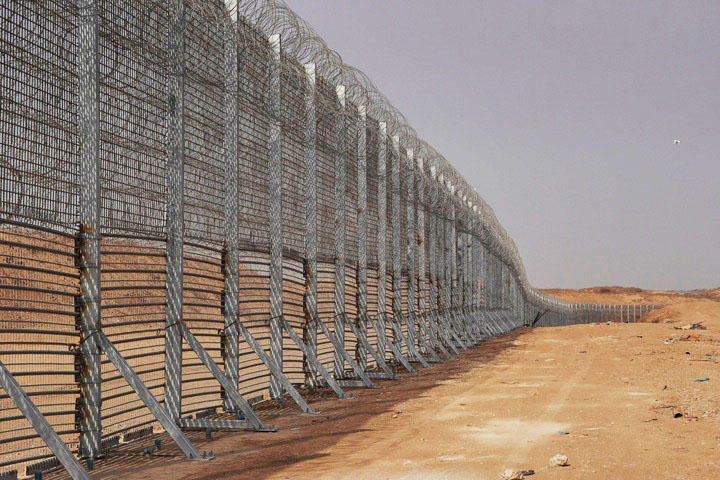
India has declared 2025 as the Year of Defence Reforms, focusing on integrated theatre commands, self-reliance (SR), and acquisition reforms. Decades of reliance on foreign defence equipment have led to operational challenges, highlighting the need for a robust Defence Industrial Base (DIB). Challenges to SR include technological complexity, economic constraints, and bureaucratic hurdles. A reset in military-industry-DRDO collaboration is crucial for indigenization. Reforms should focus on indigenous capability building, defence industrial strategy, and long-term investments. A shift from assembly-based manufacturing to true self-reliance is necessary for sustained military effectiveness, operational independence, and strategic resilience against emerging threats.
SELF RELIANCE: A PEEK UNDER THE HOOD

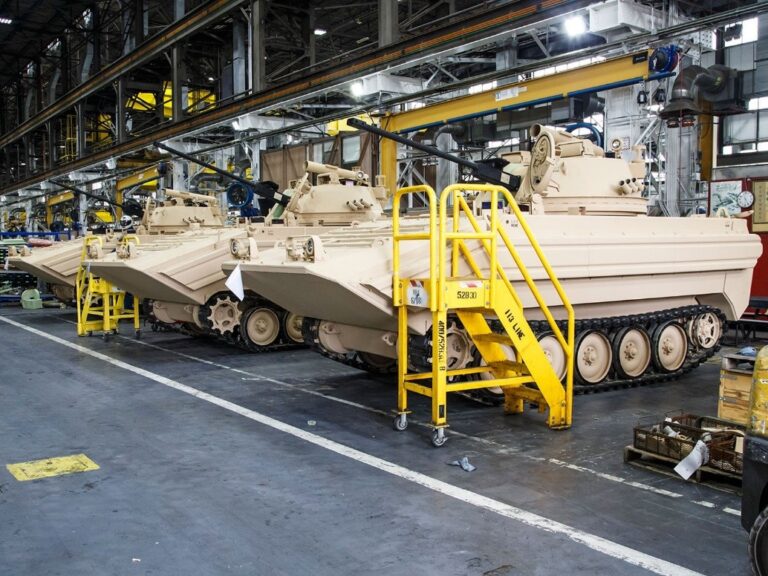
The article critically examines India's Make in India initiative in the defense sector, highlighting the need for genuine self-reliance (SR) through indigenous technological and industrial capability development. It emphasizes shifting from dependency on imported systems to fostering local manufacturing of foundational systems like engines, powerpacks, and electronics. Drawing lessons from ISRO's technology tree approach, the article advocates for strategic planning, deeper localization, and incremental upgrades of existing platforms over de novo developments. It calls for a pragmatic defense industrial strategy, prioritizing technology insertion, local supply chains, and leveraging collaborations for long-term operational readiness and strategic autonomy.

MULTI DOMAIN OPERATIONS:CREATING CAPABILITY OVERMATCH

The article examines military effectiveness in the context of lessons from the Ukraine war and China's military modernization. It highlights the importance of decentralization, connectivity, and multi-domain operations (MDO), where smaller units need enhanced initiative and technical skills. China’s focus on cyber, space, AI, and electronic warfare offers operational advantages. India must adapt by strengthening its own capabilities and addressing vulnerabilities in future conflicts. The article emphasizes survivable communications, technological superiority, and innovation, especially in electronic warfare and drone countermeasures, while stressing the need for industrial resilience and sustained combat readiness in challenging environments.

STRATEGIC READINESS: INCUBATING MILITARY EFFECTIVENESS

The article discusses the concept of Strategic Readiness (SR) and Military Effectiveness (ME), using current conflicts like the Gaza war and Ukraine war as examples. SR refers to a military's ability to provide forces to meet strategic demands, assessing factors like manning, equipment, training, and logistics. ME measures a military's competitive advantage in combat, requiring agility, technological superiority, and resilience. The text highlights how readiness degrades over time and the importance of technological dominance, soldier readiness, and operational capability. It stresses the need for innovation and resilience to counter surprises in modern warfare.

DRDO RESET : TIME TO RECALIBRATE ITS GUNSIGHT

The Defence Research and Development Organisation (DRDO) is undergoing a significant overhaul, with recommendations from a high-powered committee aiming to restructure it for increased efficiency. These include establishing a Defence Technology Council and a Department of Defence Science, Technology, and Innovation, while also reducing DRDO's focus to research and development, excluding prototype production. The article emphasizes careful implementation to avoid disrupting India's defense industrial base. A phased approach is suggested, with private sector collaboration and knowledge transfer to ensure a robust and self-reliant defense ecosystem by 2045, avoiding hasty reforms.

SUSTAINING CAPABILITY  READINESS: TUBE  ARTILLERY

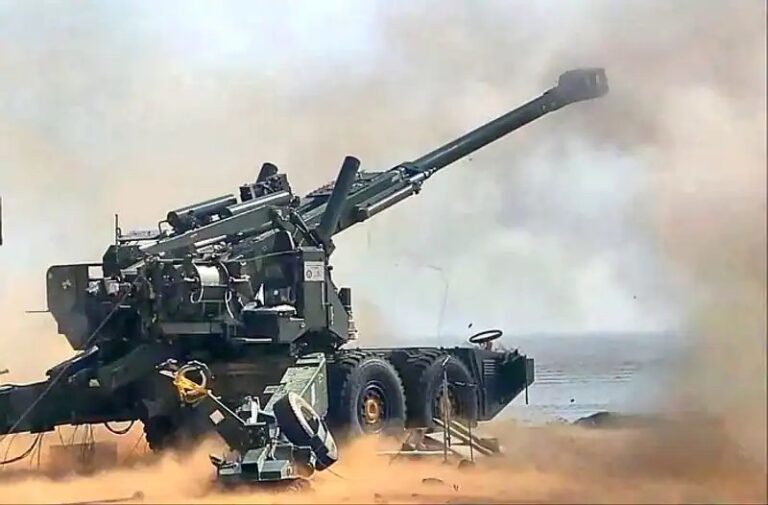
The article discusses the importance of sustaining military capability, particularly tube artillery, in the face of equipment attrition and budgetary constraints. It highlights the challenges faced in maintaining readiness due to aging systems and the costs associated with imported and indigenous systems. The need for innovative solutions to modernize and maintain legacy systems is emphasized, alongside the importance of integrated maintenance and engineering support. The article advocates for a Through Life Capability Readiness (TLCR) approach, balancing new acquisitions with the modernization of existing systems to ensure operational effectiveness in prolonged conflicts.

LIGHT MOUNTAIN  TANK ZORAWAR: BUILDING SYSTEM MATURITY

Lt Gen N B Singh’s article analyzes the development of the Indian Mountain Tank (IMT) "Zorawar," emphasizing the need for a reliable, agile tank for high-altitude operations. He advocates for indigenous development to avoid issues seen in previous projects like the Arjun tank. The article highlights the challenges of designing a light tank for varied terrains and argues for a slightly heavier model for better survivability, comparing it to the Chinese Type 15 tank. Singh calls for a collaborative approach, similar to ISRO's, to ensure Zorawar is a superior, locally developed platform supported by a strong defense industrial ecosystem.