
The Rise of Asymmetric Technology: A New Phase in the Evolution of the Military Industrial Base
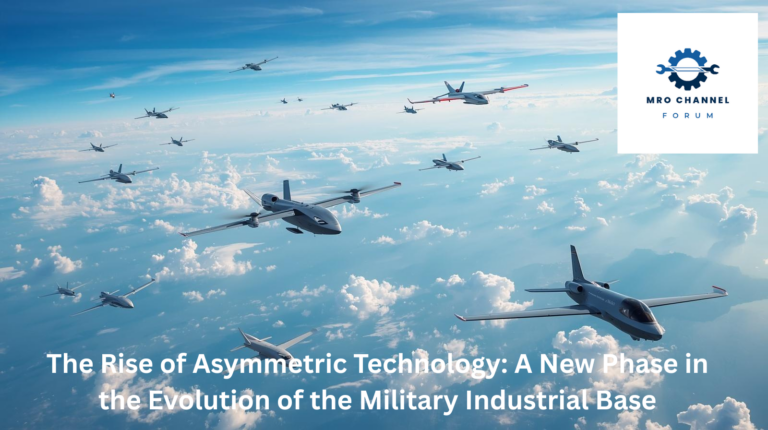
Recent conflicts in Europe and the Middle East highlight the growing impact of asymmetric technologies such as drones and low-cost precision systems that can challenge expensive traditional military platforms. This shift suggests that technological advantage is no longer determined solely by the size of a nation’s military industrial base. Smaller or mid-level defence ecosystems can now develop niche capabilities that produce disproportionate battlefield effects. For countries like India, this creates an opportunity to strengthen innovation through startups, MSMEs, and digital technologies. While traditional defence manufacturing remains essential, the future battlefield will increasingly favor agile innovation ecosystems capable of rapidly developing disruptive and cost-effective military technologies.